
Four Ways to Feel at Home
A home is more than the pieces inside it. It is the feeling those pieces create around us.
Before we notice a cushion, a towel or the colour of a wall, we notice the atmosphere. A bedroom can feel quiet before we sleep. A bathroom can feel fresh before the day begins. A dining room can feel welcoming before anyone takes a seat. A living room can feel personal before a word is spoken.
The four Royal Doulton Home moods begin with those feelings. Rest, Renew, Connect and Define are not rules for decorating or fixed product collections. They are four ways to think about how home can support everyday life.
A QUIET THOUGHT
“The rooms we return to are rarely remembered for one perfect object.
We remember how they held us.
How they helped us pause.
Begin again.
Come together.
And feel more like ourselves.”
Rest, a room that lets the day settle
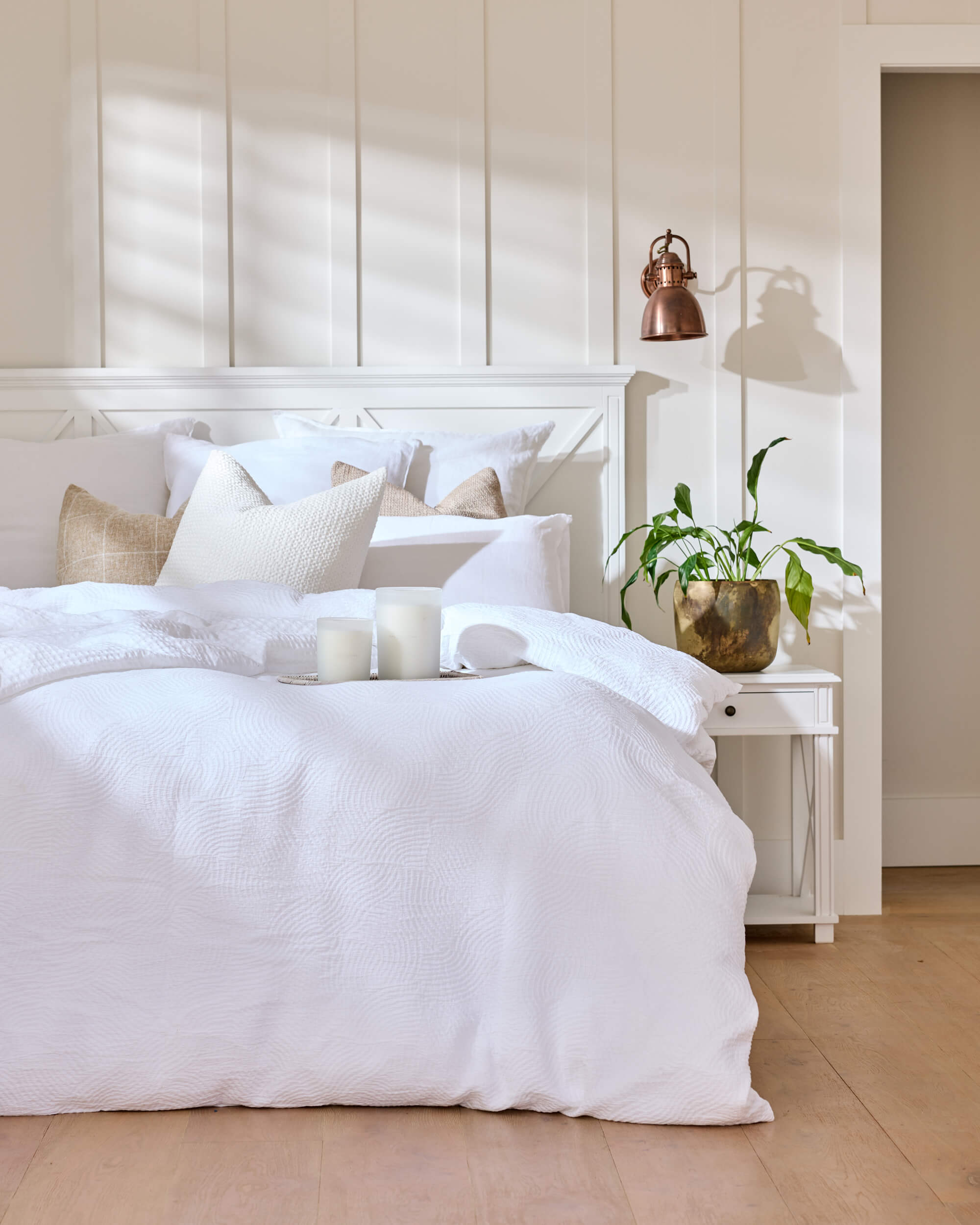
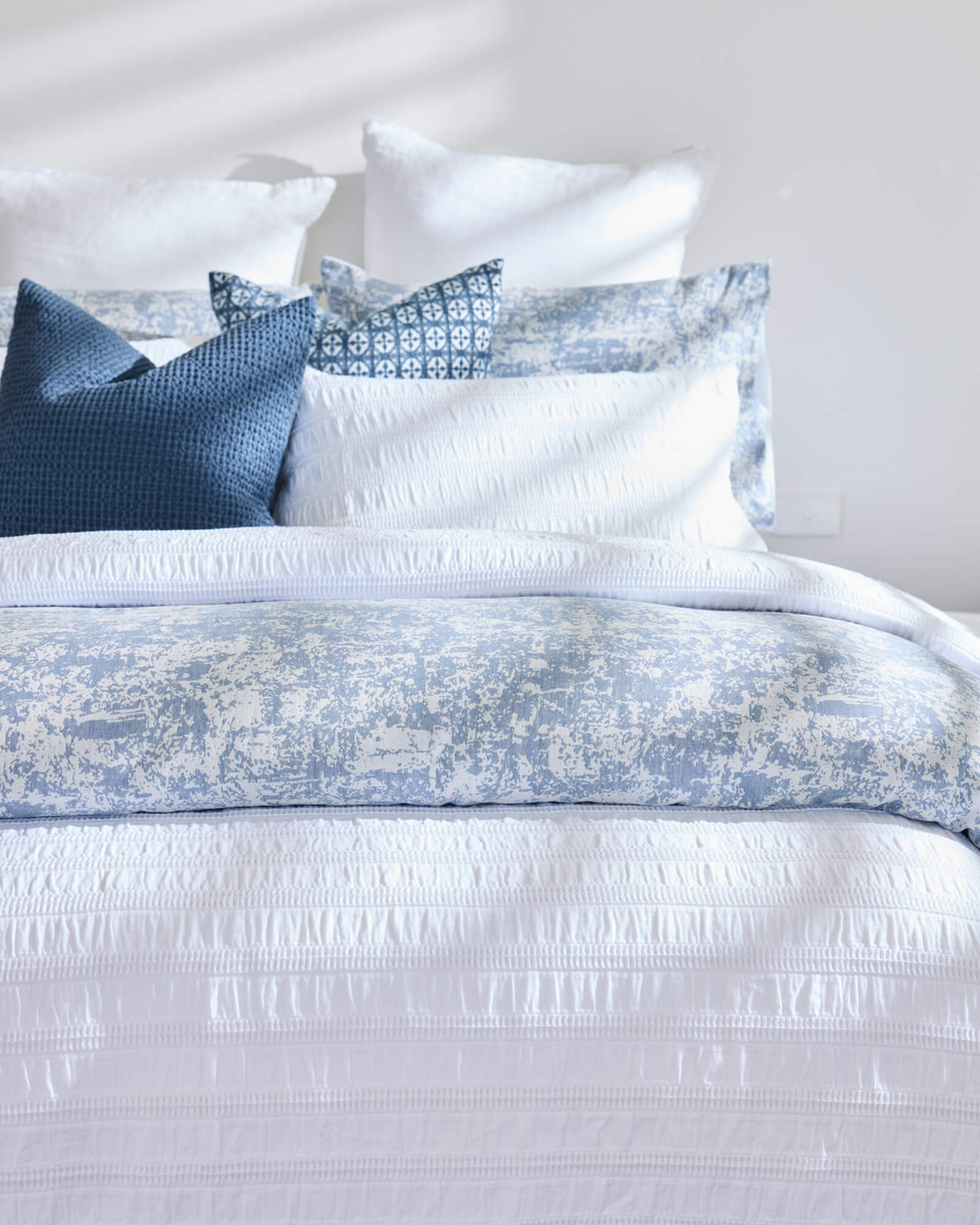
Rest is the feeling of softness, stillness and release. It belongs in the parts of home that help the pace slow: the bedroom at the end of a long day, a quiet reading corner, or a bathroom prepared for an evening routine.
The mood comes through gentle colour, warm white light, comfortable bedlinen, supportive cushions and fragrance that stays quietly in the background. Nothing needs to feel untouched. Rest is not about creating a perfect room. It is about creating a room that lets us exhale.
Sometimes that feeling begins with something very small. Curtains drawn. A bed turned down. A book left open. The final light lowered. Together, these familiar signals tell us that the day can be put down for a while.

Renew, the feeling of beginning again
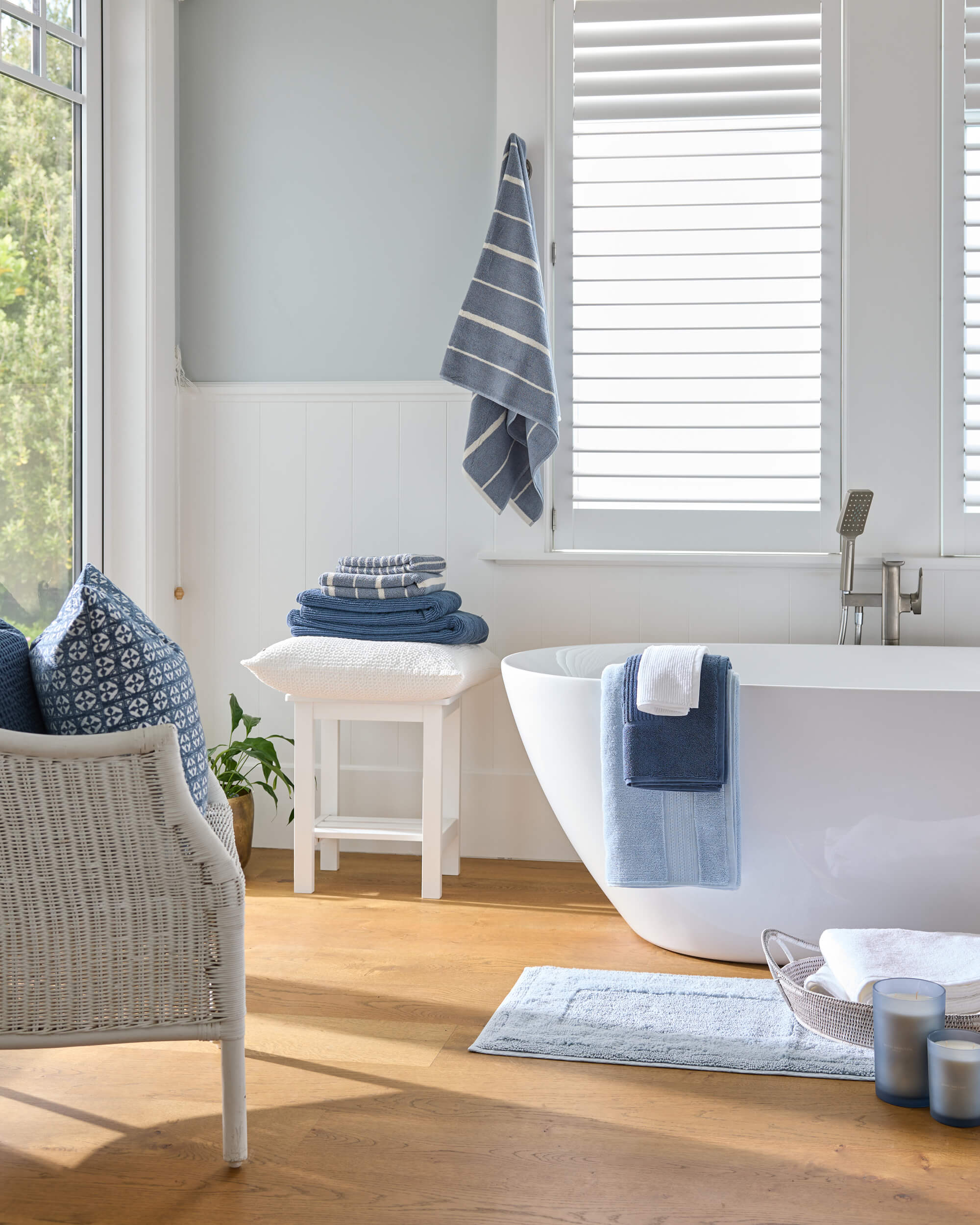
Renew brings clarity and fresh energy without ever feeling cold. It suits the moments when home helps us reset: morning light reaching the bathroom, clean towels waiting beside the bath, fresh sheets, an open window and the quiet order of a room prepared for a new day.
Blue and airy tones can support this feeling, but colour is only one part of it. Texture, light, scent and space all contribute. The aim is not an empty room. It is a room with enough ease to breathe.
Renew reminds us that restoration does not need to be dramatic. A warm shower, a freshly made bed or a familiar morning ritual can change how the next part of the day feels.

“The right room does not tell us how to live. It quietly supports the way we want to feel.”
Connect, space for life together
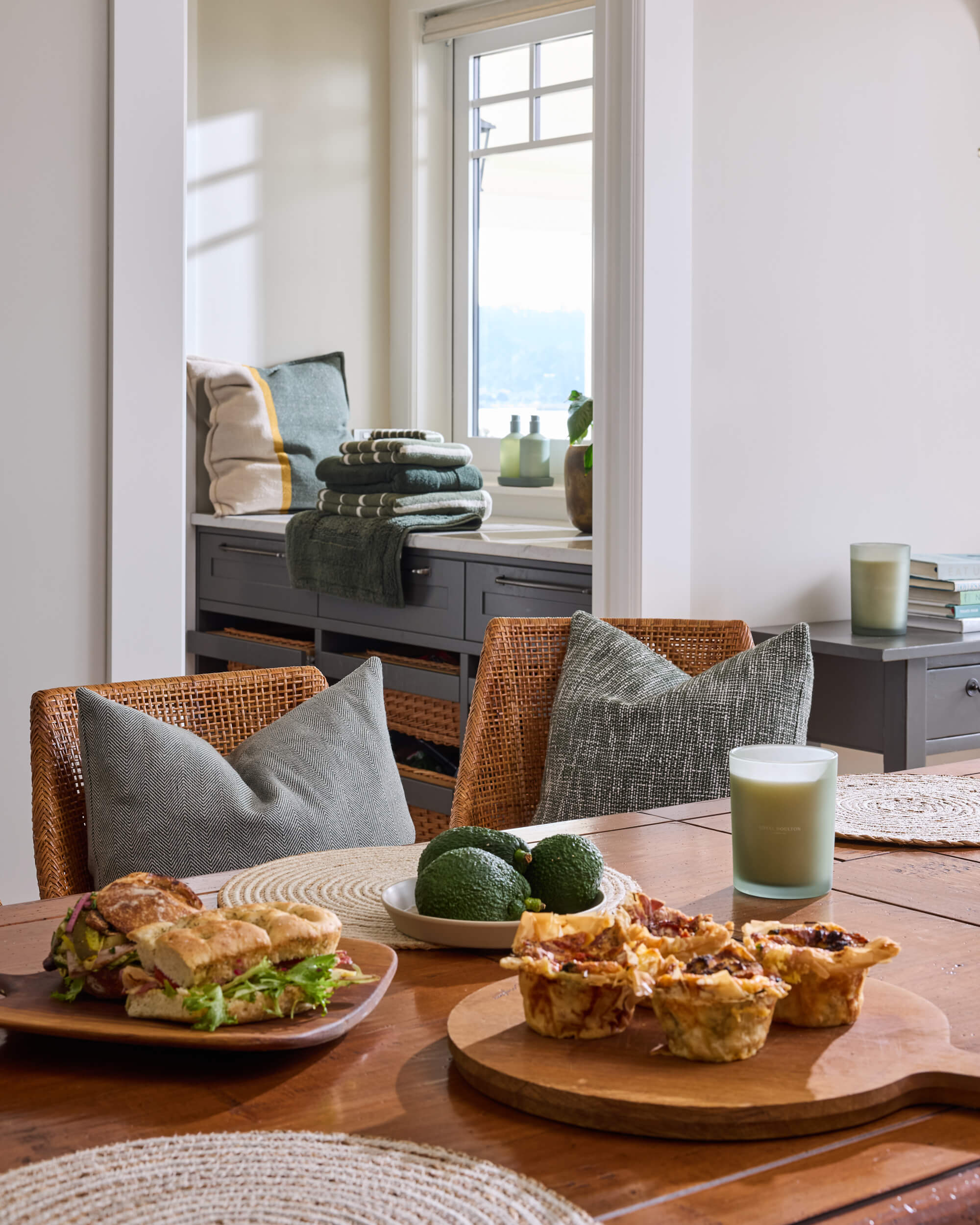
Connect is warm, open and generous. It belongs wherever life naturally gathers: around the dining table, across the sofa, in the kitchen while dinner is prepared, or at the front door when friends arrive.
A connected home is not staged for display. Cushions are moved because someone has sat there. The table carries flowers, plates, homework and conversation. A candle is lit because people are coming, or simply because they are already home.
Green tones, natural texture and comfortable places to sit can help create the mood, but its real measure is human. Connect is the feeling that there is room for one more person and no reason to hurry away.

Define, a home with a point of view
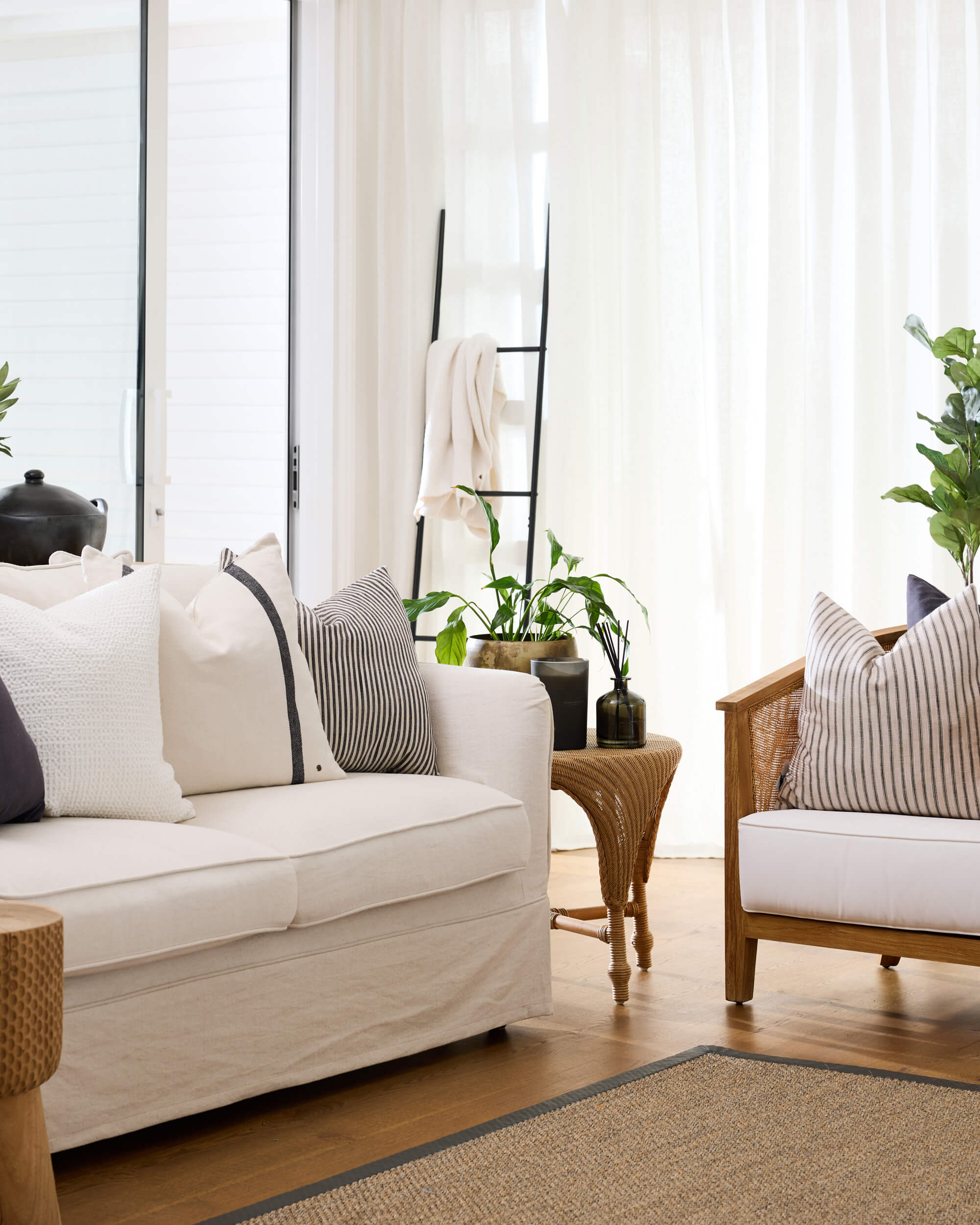
Define brings presence, identity and quiet confidence. It is the mood for spaces that feel distinctly personal, where contrast, deeper tones and considered objects give a room character without asking it to perform.
This does not mean being bold for the sake of it. A charcoal cushion against a pale sofa, the shape of a favourite chair, an atmospheric fragrance or a piece kept because it carries a story can be enough. The strongest rooms are rarely the ones with the most. They are the ones that feel most like the people who live there.

One home can hold all four moods. Rest in the bedroom. Renew in the bathroom. Connect around the table. Define in a living space or a corner that feels entirely your own. They can shift with the room, the season and the rhythms of family life.
The objects may change over time. The feeling remains the starting point. That is what turns decoration into atmosphere and a collection of rooms into a well-lived home.
A MOMENT WORTH KEEPING
“Rest. Renew. Connect. Define.
Four moods, each beginning with a simple question:
how do you want home to feel?”